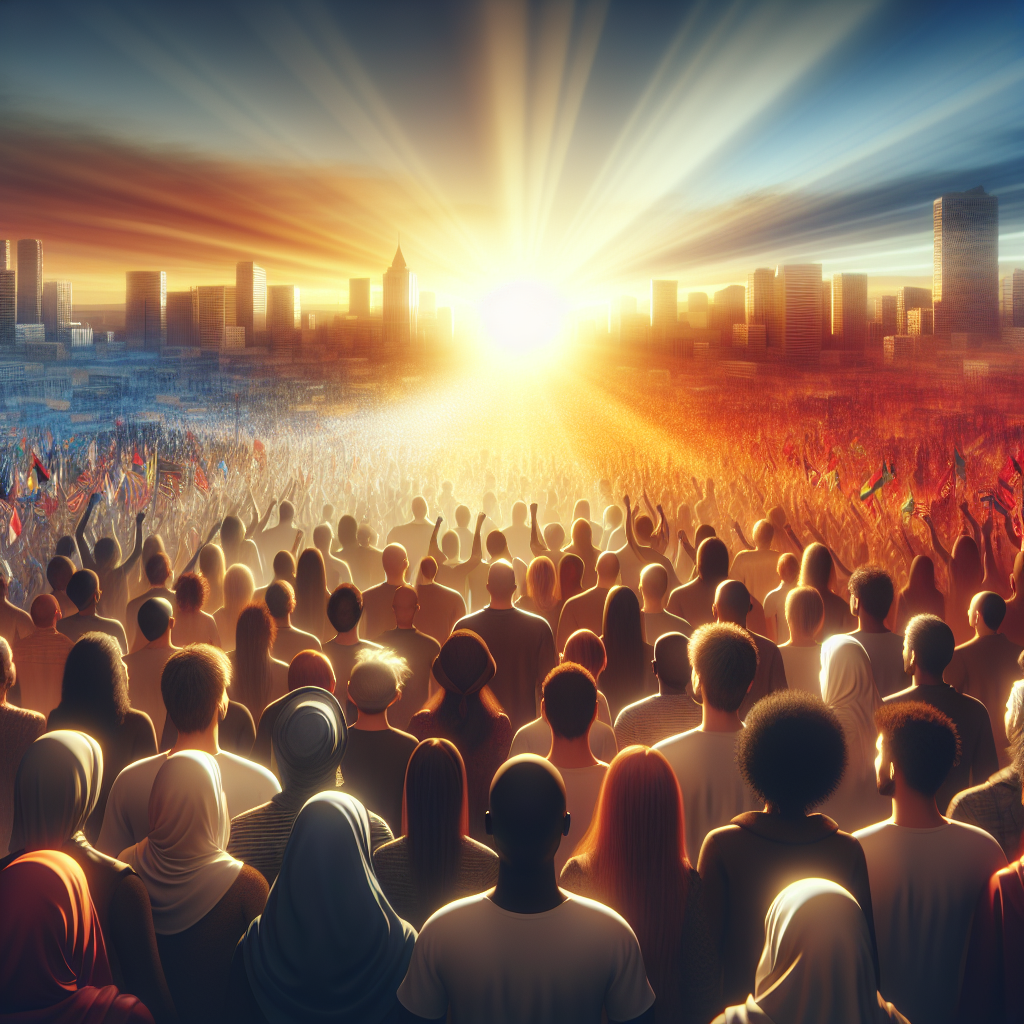
What Civil Rights Mean
Civil rights are the legal and social guarantees that protect individuals from discrimination and unequal treatment, especially by governments and powerful institutions. They translate the broad idea of human dignity into enforceable rules: who can vote, who can attend a school, who can rent an apartment, who can work without harassment, and who is protected from arbitrary policing or punishment. At their core, civil rights ensure that a person’s opportunities and protections do not depend on race, sex, religion, disability, national origin, age, sexual orientation, gender identity, or other characteristics that have historically been used to exclude and harm.
While “civil liberties” often describe freedoms from government interference—such as freedom of speech or religion—civil rights focus on equal treatment and equal access. In practice, the two overlap. A society can promise liberty on paper yet deny meaningful participation through discrimination. Civil rights are the bridge between formal equality and real-world fairness.
Historical Roots and Expanding Definitions
The history of civil rights is the history of who is recognized as a full member of society. Many nations began with limited definitions of citizenship—excluding women, enslaved people, Indigenous communities, and religious minorities. Over time, social movements, court decisions, and legislation broadened the idea of equal citizenship, often after prolonged struggle and resistance.
In the United States, for example, the abolition of slavery and the post–Civil War constitutional amendments established foundational promises of equality and voting rights, yet those promises were systematically undermined through segregation, intimidation, and discriminatory laws. The mid-20th-century Civil Rights Movement—driven by grassroots organizing, legal challenges, and public protest—forced a rethinking of equality in schools, public spaces, and the ballot box. Similar dynamics appear globally: civil rights gains often emerge when marginalized groups build coalitions, document abuses, and push institutions to confront entrenched bias.
Key Areas Civil Rights Protect
Voting and Political Participation
Voting rights are central because political power shapes every other right. Civil rights protections in this area address barriers such as discriminatory registration practices, unequal access to polling places, vote dilution through unfair districting, and intimidation. The goal is not simply the ability to cast a ballot, but the ability to participate on equal terms and have that participation meaningfully counted.
Education
Equal access to quality education determines future income, health, and civic opportunity. Civil rights in education address segregation, unequal funding, discriminatory discipline, language access for multilingual learners, and accommodations for students with disabilities. When these protections are absent, inequality reproduces itself across generations.
Employment
Workplace civil rights cover hiring, pay, promotion, workplace safety, and harassment. Protections aim to prevent employers from excluding qualified people based on identity and to ensure fair processes for addressing misconduct. Modern civil rights debates in employment also include how algorithms and screening tools may encode bias if not carefully designed and audited.
Housing and Public Accommodations
Housing discrimination—through refusals to rent, unequal lending, or steering buyers toward certain neighborhoods—can shape life outcomes as strongly as education. Civil rights laws also cover public accommodations, ensuring people can access restaurants, hotels, transportation, and services without discriminatory denial or humiliation.
Criminal Legal Systems and Policing
Civil rights constrain state power: they limit unreasonable searches, discriminatory enforcement, and unequal sentencing. They also require due process and equal protection. Disparities in stops, arrests, charging, bail, and sentencing remain major civil rights concerns, as does accountability for misconduct.
How Civil Rights Are Enforced
Civil rights are not self-executing; they depend on enforcement mechanisms that can translate principles into outcomes. Common tools include:
- Legislation: Laws that prohibit discrimination and set standards for institutions.
- Courts: Judicial review and lawsuits that interpret rights and provide remedies.
- Administrative agencies: Government bodies that investigate complaints, issue regulations, and monitor compliance.
- Community oversight and journalism: Public scrutiny that surfaces patterns of abuse and prompts reform.
- Collective action: Organizing, boycotts, and advocacy that pressure institutions to change.
Remedies vary. They may include financial compensation, changes in policies, reinstatement of jobs, school integration plans, or new training and oversight requirements. Importantly, enforcement must be accessible: if filing a complaint is costly, risky, or slow, rights can exist in theory but not in practice.
Contemporary Challenges
Structural Inequality and “Neutral” Rules
Some of today’s hardest civil rights questions involve policies that look neutral but produce unequal outcomes. Examples include zoning rules that restrict affordable housing, disciplinary policies that disproportionately remove certain students from classrooms, or employment “culture fit” criteria that reward sameness. Addressing these issues requires not only prohibiting explicit bias but also examining impact, data, and context.
Technology, Surveillance, and Data
Digital systems affect access to jobs, credit, and public benefits. Biased facial recognition, opaque risk assessments, and discriminatory ad targeting can replicate old patterns with new tools. Civil rights in the digital age increasingly demand transparency, auditability, and clear lines of accountability when automated decisions cause harm.
Backlash and Rights Fragility
Civil rights progress can prompt backlash—legal, political, and cultural. Protections may be narrowed through court decisions, reduced funding for enforcement, or rhetorical campaigns that portray equality efforts as unfair. This fragility is why civil rights are often described as a “living promise”: they require maintenance, renewed commitment, and adaptation to new forms of exclusion.
Why Civil Rights Matter to Everyone
Civil rights are not only about protecting minority groups; they are the rules that keep power accountable. When discrimination is normalized against any group, it lowers the standard of fairness for all. Strong civil rights protections improve social trust, economic productivity, and public health by widening participation and reducing harm. They also strengthen democracy by ensuring that institutions serve the entire public, not just the most powerful or most socially accepted.
Ultimately, civil rights ask a practical question: in the ordinary settings of life—schools, workplaces, neighborhoods, voting booths—does equal citizenship exist beyond slogans? The answer depends on laws, enforcement, and the ongoing work of people who insist that dignity must be protected not only in principle, but in daily reality.